
By Maria Antokas
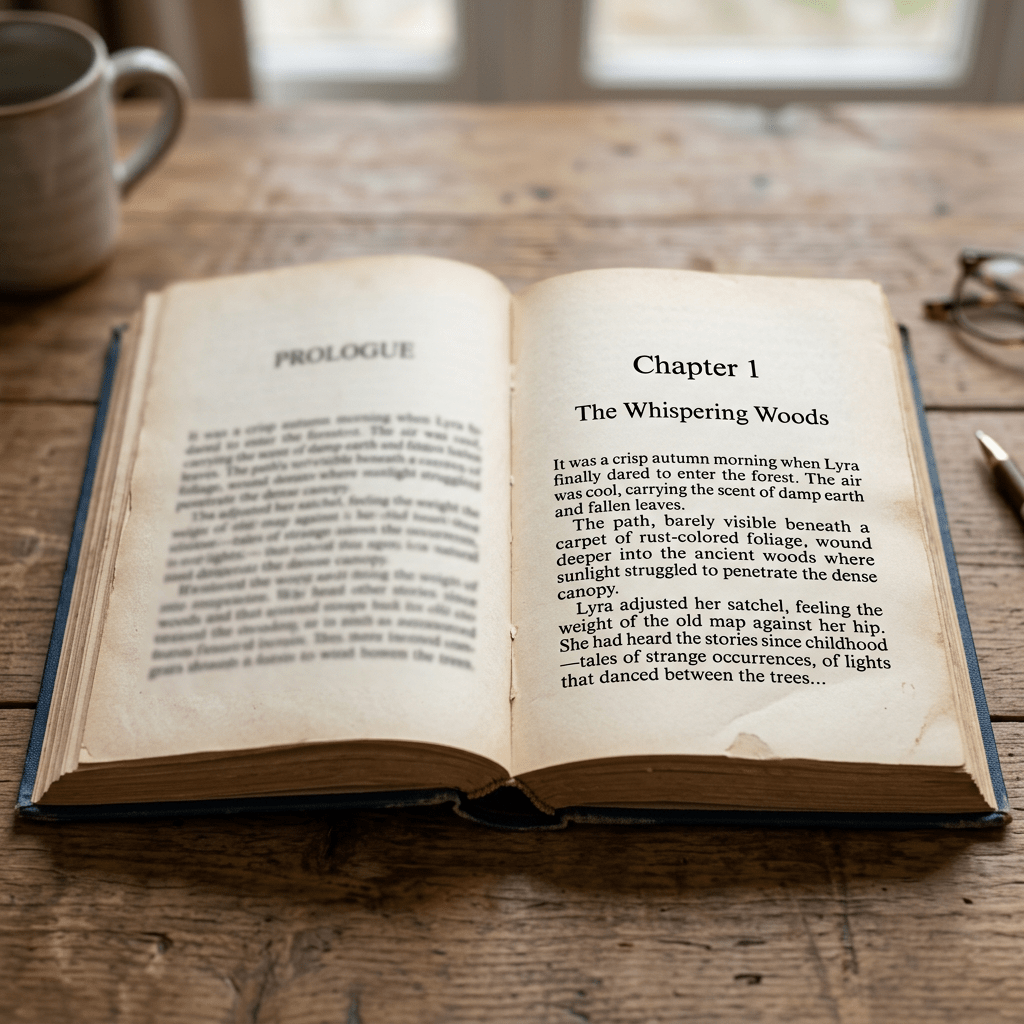
I have a question that may ruffle a few literary feathers: do prologues actually add anything to a story?
Because most of the time… I’m not convinced.
They’re usually vague. Intentionally so. Mysterious in that “a shadow moved in the distance and something felt off” kind of way. And I’m sitting there thinking, okay… but who are these people and why should I care?
If I just opened your book, I don’t want fog. I want a story.
Instead, I get dropped into some half-formed moment – an info-dump, different timeline, unknown characters, unclear stakes- and I’m expected to feel intrigued. In reality, I’m just trying to figure out where I am and whether I missed something.
And yes, I’ll read it. I’m polite. I respect the author.
But am I enjoying it? Not really.
Am I already thinking, can we just get going? Absolutely.
The bigger issue? They’re forgettable.
By the time I’m a few chapters in – like when I actually know the characters and care what happens – I’ve usually forgotten whatever cryptic little scene opened the book. Which makes me wonder… what was the point?
If something important happened thirty years ago, I promise you: it will be far more interesting once I understand who these people are and why they behave the way they do. You don’t need to drag me into an eerie house at 3:00 a.m. with a group of drunk teenagers who think they saw a boogeyman.
We can get there. Just… later. When it matters.
Now, to be fair – there are prologues that work. The rare ones that are sharp, purposeful, and actually make you lean in. But they’re the exception, not the rule.
Most of the time, a prologue feels less like a hook and more like a delay.
So here’s my honest take: if your story needs a prologue to make sense, something’s off. And if it doesn’t?
Then my favorite kind of prologue is the one that doesn’t exist. Do you agree?


Hmm, you made me think: to pro-logue or not. I think you are right in that as often as not, prologues can be excused off a story. However, a strategically thought out prologue can set the tone early, give a tantalizing whiff, make the reader itch to plunge into the narrative, an effective entry point relevant in genres like thrillers/mysteries (teasing a conflict), and in historical fiction (mentioning a dusty artecraft that …).
LikeLiked by 1 person